
Mixed-Use Development Roofing
Mixed-Use Development Roofing gets scoped from roof evidence, operating risk, Amarillo weather exposure, and the decision the building owner needs to make.
One building, several roofs, and no single specification that covers all of it
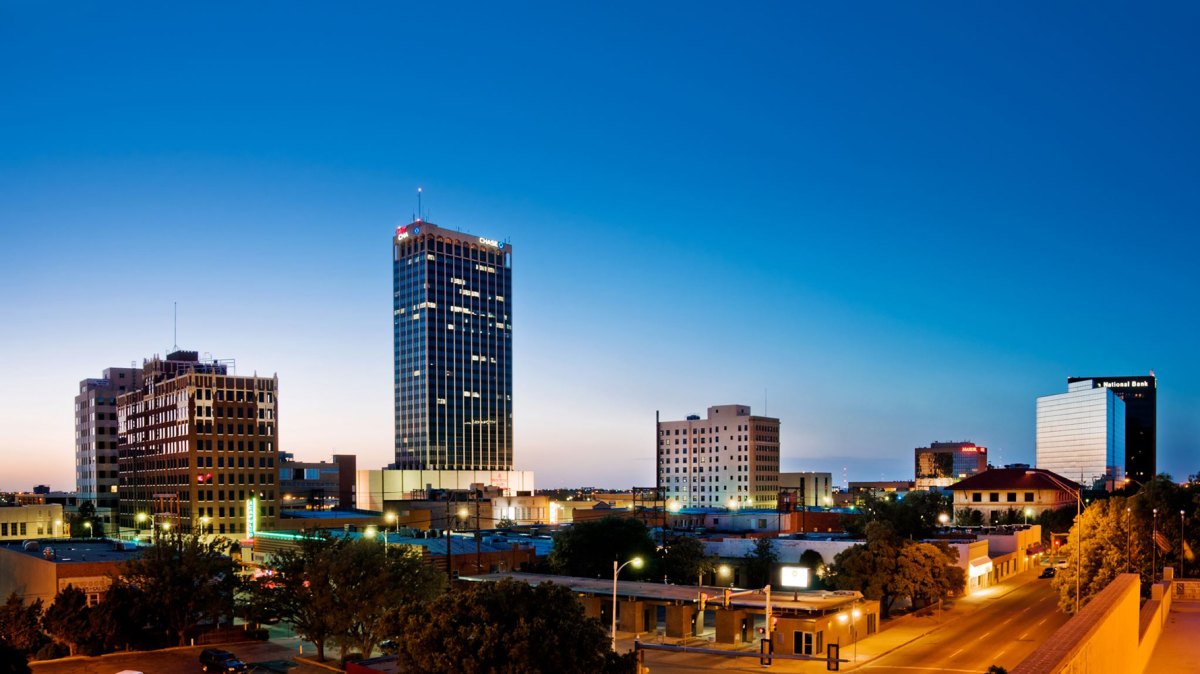
Mixed-use is the project type where the word roof stops being useful. A development that puts retail at the sidewalk, offices or apartments above, and structured parking into the base does not have a roof, it has several distinct waterproofing systems stacked on top of one another, each with its own loads, its own occupancy below, and its own consequence when it fails. Amarillo has been pushing this direction for a while now. The reinvestment around downtown, led by the Hodgetown ballpark and the streets running off Polk and Buchanan, has brought ground-floor retail under residential and office space, and the corridors along Soncy Road and out toward Town Square have seen newer vertical mixed-use that did not exist here a decade ago. Each of those buildings needs a roofer who can keep the systems straight.
The mistake we are most often called to clean up is treating the whole structure as one flat-roof scope. The plaza deck over the parking podium is not the same animal as the membrane over the top-floor apartments, and pricing or installing them as if they were is how owners end up with a five-year failure on a building they expected to last thirty.
The podium deck is waterproofing, not roofing
The deck that sits between the parking or retail at grade and the residential or office space above it, the podium, is the part of a mixed-use building most likely to be specified wrong. It carries occupied loads, sometimes vehicle loads, often landscaped planters, and it sees constant hydrostatic pressure anywhere water collects. That demands a traffic-bearing waterproofing assembly, drainage composite, and a root barrier under any planted area, coordinated with the structural engineer on how the insulation and the load path work together. A standard low-slope roofing membrane laid on a podium deck is simply the wrong product. It is not built for the deflection, the traffic, or the standing moisture in planter zones, and it tends to give out fast.
Why amenity decks get the same treatment
The rooftop amenity deck, the lounge or terrace that sells units in a residential mixed-use building, is podium waterproofing in miniature and just as demanding. There is a traffic-bearing membrane underneath the finished surface, and it has to be installed and warranted as a system in coordination with whoever sets the pavers, decking, or turf above it. We have seen these decks treated as ordinary roofs more than once, and the result is water finding its way into the unit directly below the most expensive part of the building. We specify, install, and warranty the assembly with the deck-finish contractor and the engineer of record so the whole sandwich works together.
The upper roof has its own list
Above the residential or office floors, the conventional low-slope roof returns, but on a mixed-use tower it comes with company. Parapet drainage has to be detailed for a taller building catching more Panhandle wind. Mechanical penthouses, elevator overruns, and rooftop equipment enclosures each need their own flash-through details. And the work happens above occupied public space, which changes the safety plan entirely. We document every curb, penetration, and enclosure on the upper roof before pricing, because the membrane field is the cheap part and the details are where the leaks and the labor actually live.
Coordinating with everyone else on the job
Mixed-use roofing is rarely a standalone contract. On a new build we are coordinating with the general contractor, the mechanical and plumbing subs running penetrations through our work, the structural engineer on the podium load path, and frequently a building envelope consultant who wants mock-ups and testing before full installation. We are comfortable inside that process. We know the submittal sequence, we build the waterproofing mock-up when the spec calls for one, and we work through the QC and manufacturer-rep inspections at the critical phases without treating them as obstacles. On an adaptive reuse, converting an older downtown Amarillo building to residential over retail, the coordination is different but no lighter, because now we are tying new systems into existing structure with its own surprises.
The warranty has to satisfy the lender
Mixed-use is almost always financed, and construction lenders and developers have a documentation list that the roof scope has to feed: architect-reviewed submittals, manufacturer technical approval of the specified assembly, mock-up testing ahead of full install, QC inspection reports, manufacturer-rep sign-offs at key milestones, and a registered no-dollar-limit warranty at closeout. We work inside that framework from preconstruction through final inspection so the warranty package that lands in the owner's and lender's files actually holds together if a claim ever comes.
Working over occupied retail and residents
Plenty of mixed-use roofing in Amarillo happens on buildings that are already occupied, a reroof on the residential floors while the ground-floor shops stay open and tenants keep coming home every night. That is a specialty in its own right. It takes a real phasing plan, noise and dust containment worked out before mobilization, and elevator and common-area access coordinated with building management so residents and retailers are not blindsided. Downtown noise ordinances can constrain working hours, and ground-floor retail operations limit how we stage and lift material. We never demobilize at the end of a day unless the work area is genuinely watertight, because the unit or the storefront directly below an open roof is somebody's home or somebody's livelihood.
Frequently asked questions
Why can't the plaza deck use the same membrane as the rest of the roof? Because a plaza or amenity deck takes structural deflection, planter root pressure, standing water, and foot or vehicle traffic that a standard roofing membrane was never designed for. Use the wrong product and it typically fails within about five years. The right answer is a traffic-bearing waterproofing assembly built for those conditions.
Can you reroof while the building stays occupied? Yes. We do it with a detailed phasing plan, written daily dry-in confirmation, containment for noise and dust, and access coordination with building management so residents and ground-floor tenants are not disrupted any more than necessary.
Do you handle rooftop amenity decks? Yes. Those get a traffic-bearing waterproofing assembly under the finish surface, specified and warranted in coordination with the deck-finish contractor and the structural engineer, not a single-ply roof membrane.
What documentation will our lender get? The full package: reviewed submittals, manufacturer approval, mock-up testing, QC and manufacturer-rep inspection reports, and a registered warranty at closeout. We work inside the project's submittal and QC framework from the start.