
Auto Dealership Roofing
Auto Dealership Roofing gets scoped from roof evidence, operating risk, Amarillo weather exposure, and the decision the building owner needs to make.
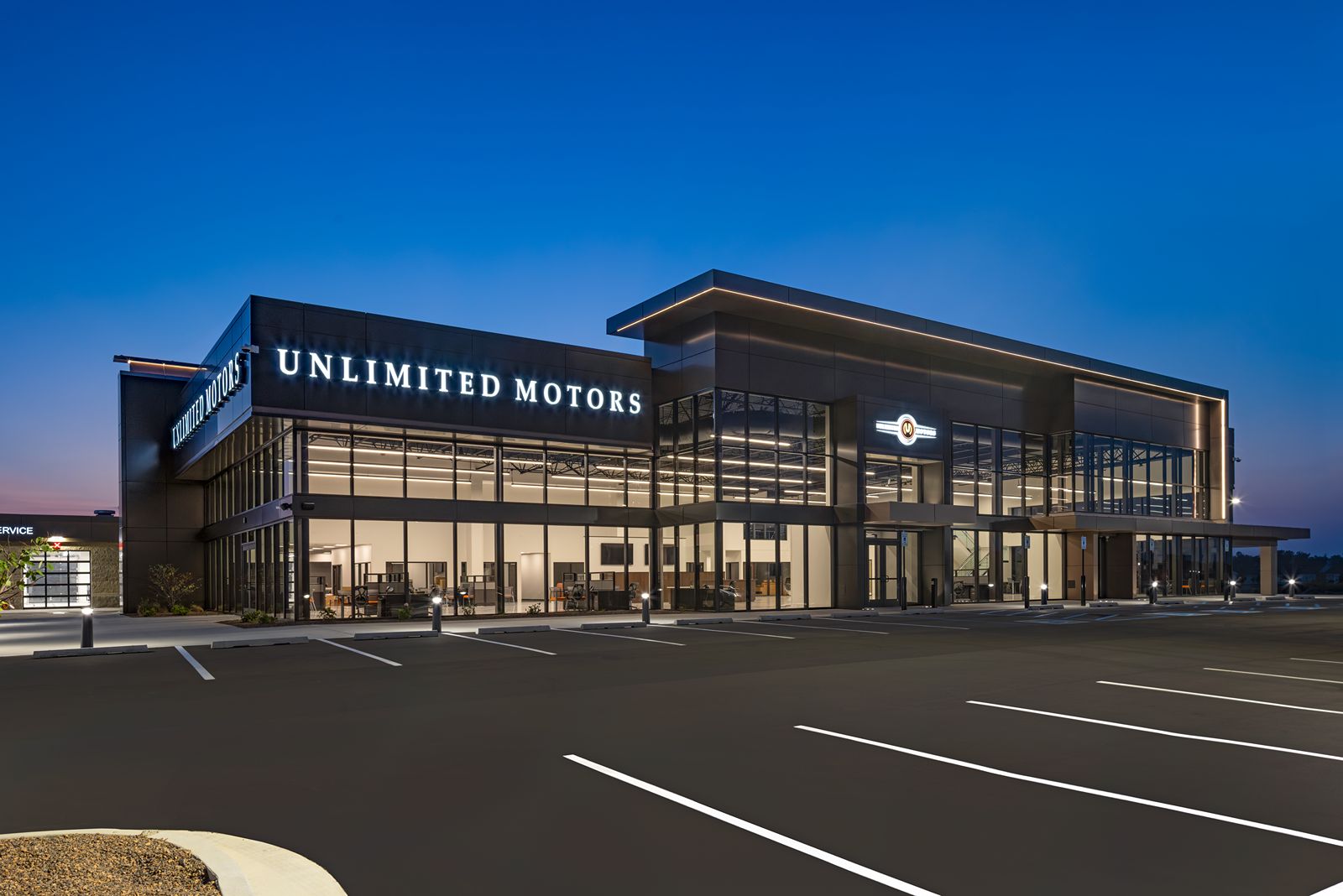
Auto Dealership Roofing in Amarillo, TX
Amarillo's Southwest Kia dealership and the McNatt Auto Group's Panhandle locations represent the kind of large-footprint dealership campuses that define the Texas Panhandle's auto retail landscape — sprawling facilities where showrooms, service centers, body shops, and used vehicle lots share adjacent rooftops across multiple structures. Commercial roofing on Amarillo dealerships requires understanding the Panhandle's extreme wind environment, the area's high hail frequency, and the operational demands of keeping a revenue-generating service department running continuously while roofing work proceeds above it.
Wind is the primary environmental stress on Amarillo dealership roofs. The flat caprock plateau exposes these buildings to prevailing southwest and northwest winds with no terrain relief, and peak gusts during spring and fall severe weather season can exceed 80 mph. A service department roof with inadequate perimeter fastening is vulnerable to progressive membrane peeling that can escalate from edge lifting to catastrophic loss in a single wind event. Amarillo commercial roofing contractors specify enhanced perimeter and corner zone fastening for all dealership buildings, and FM 1-90 or FM 1-105 uplift ratings are standard rather than premium specifications in this market.
Hail damage is a defining reality of the auto dealership business in Amarillo. The vehicle inventory on dealership lots is constantly at risk during spring hail season, and the buildings themselves receive the same punishment. A major hail event that damages 50 or 100 vehicles on a dealership lot will also impact the roof — but the roof damage sometimes goes undocumented in the urgency of processing the inventory claim. Amarillo dealers who are proactive about requesting a roofing inspection immediately after any hail event protect themselves from discovering unrepaired roof damage months later when it manifests as interior leaks during the next rain.
Service department skylights in Amarillo face the compound challenge of intense UV degradation and high wind uplift forces. A skylight frame improperly fastened to its curb can experience progressive uplift under sustained wind loading, eventually working the flashing loose and creating a significant leak. Contractors installing or replacing skylights on Amarillo dealership service departments use mechanical fastening patterns that exceed minimum code requirements, and curb-to-frame connections are inspected annually as part of any maintenance agreement because the wind environment makes them the most likely failure point on the building envelope.
Occupied service department operations during Amarillo roofing projects require careful sequencing because the wind environment can spread debris and loose materials across the campus in ways that are not an issue in calmer markets. Material staging in Amarillo needs to be weighted or secured whenever the crew is not actively working with it, and at the end of each shift, all loose membrane scraps, insulation pieces, and packaging must be collected and containerized. A piece of TPO membrane that becomes airborne in a Panhandle wind event can travel significant distances and create both safety and property damage issues.
OEM facility standards at Amarillo dealerships are enforced by the same corporate facility teams that audit dealerships across the country, but the specific environmental context of the Texas Panhandle — extreme UV, wind, and hail — means that roofing systems need to be specified for local conditions rather than national averages. Some OEM facility architects have developed specific guidance for high-wind and high-hail markets, and Amarillo dealers completing franchise renewal roofing projects should confirm with their franchise's facility team whether any regional specifications apply.
Parts and paint department roofs on Amarillo dealerships are subject to the same chemical exposure challenges as in other markets, with the added complexity of the Panhandle's temperature extremes. Paint operations require conditioned air year-round — in summer because of heat and in winter because the Panhandle gets genuine sub-freezing temperatures — which means ventilation systems run continuously and the roof penetrations they create are always under thermal stress. Chemical-resistant membrane specifications over paint operations are as important in Amarillo as anywhere, and the added temperature range demands reinforce the case for premium materials.
Service lane canopy roofing at Amarillo dealerships is among the most demanding roofing applications in the region because canopies are open-sided structures with high exposure to wind-driven rain, hail, and the direct force of horizontal wind loads. Metal panel systems with concealed fasteners and proper edge metal securement are the appropriate specification for Amarillo dealership canopies. Exposed fastener systems that might be acceptable in sheltered markets are not suitable for the Panhandle wind environment, and any penetrations or joints in canopy roofing need to be designed with the understanding that they will see direct horizontal rain pressure rather than just vertical precipitation loading.
Texas's lack of a statewide commercial roofing license means Amarillo dealers face a contractor market with variable qualifications. The Panhandle's specific wind uplift, hail impact, and thermal cycling requirements are not intuitive for contractors whose experience is primarily in sheltered or moderate markets. Amarillo dealers should require documented FM uplift certifications, references from comparable Panhandle dealership projects, and confirmation of TWIA certification for any buildings in the coastal exposure area before awarding roofing contracts on their facilities.
- What FM uplift rating should Amarillo dealership roofs meet?
- FM 1-90 is a standard minimum; FM 1-105 provides additional safety margin for the Panhandle's extreme wind environment. Enhanced perimeter and corner zone fastening per ASCE 7 is essential given the exposure class of most Amarillo dealership sites.
- How should Amarillo dealerships handle hail damage to building roofs?
- Request a roofing inspection within 24–48 hours of any hail event, before temporary repairs, and document impact patterns with photos. File the building claim separately from the auto inventory claim and provide the roofing inspector's written report to the commercial property carrier.
- How is loose material managed on Amarillo dealership roofing projects given wind conditions?
- All staging materials must be weighted or secured at all times. At end of each shift, all loose membrane scraps, insulation, and packaging must be collected and containerized before the crew leaves. Wind events can occur without warning in the Panhandle.
- What canopy roofing system is appropriate for Amarillo dealerships?
- Metal panel with concealed fasteners and properly secured edge metal. Exposed fastener systems are inadequate in the Panhandle's wind and horizontal rain environment. All joints and penetrations must be designed for direct wind-driven rain pressure, not just vertical loading.
- Do OEM facility standards include specific guidance for high-wind, high-hail markets?
- Some do. Check with your franchise's facilities department before finalizing specifications. Regional facility architects at major OEMs have developed guidance for Texas Panhandle and similar markets that may affect membrane type, fastening, and impact resistance requirements.
Start a conversation
Send the building location, roof type if known, leak photos, tenant restrictions, and the timing pressure. We will help turn the roof concern into a clear next step.
Contact Commercial Roofing of Amarillo