
Solar Roof Integration for Commercial Buildings
Solar Roof Integration for Commercial Buildings gets scoped from roof evidence, operating risk, Amarillo weather exposure, and the decision the building owner needs to make.
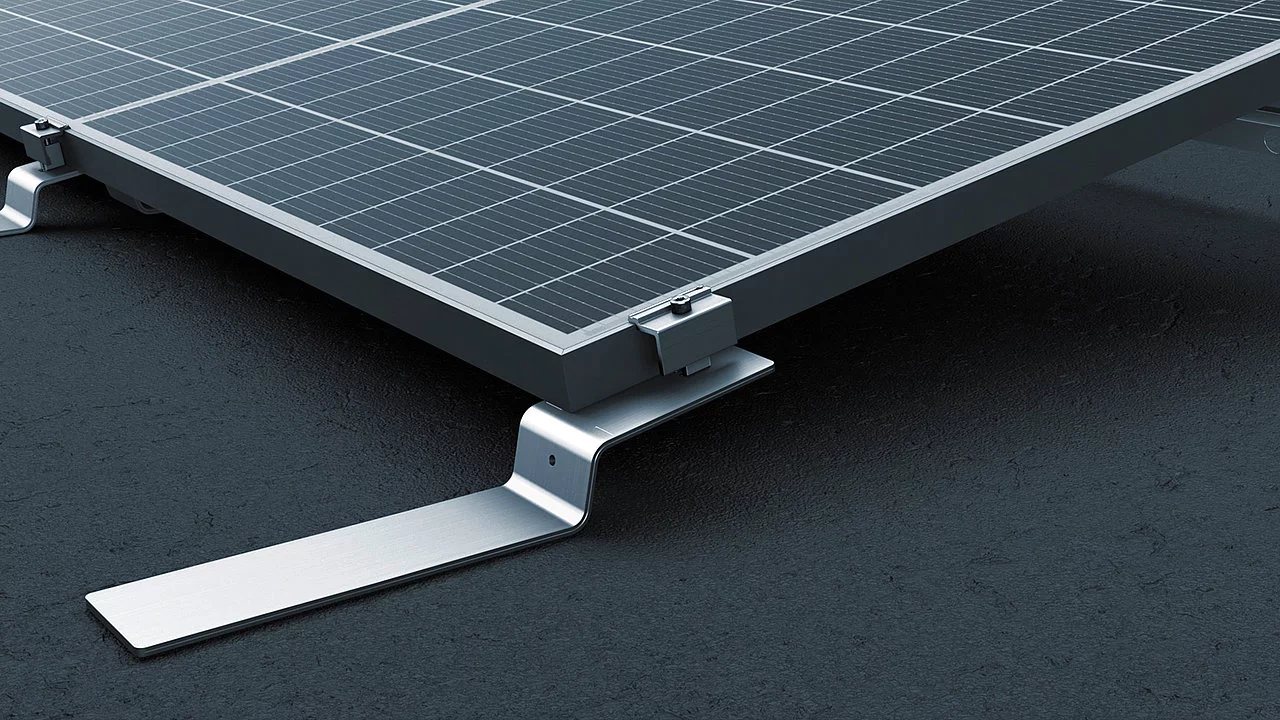
Getting the roof right before the panels go up in Amarillo
A rooftop solar array is a 25-year asset bolted to a roof that may not last 25 years. That mismatch is the single most common mistake we see on commercial photovoltaic projects across Amarillo, and it is the reason we treat solar work as a roofing decision first. Owners along the I-40 distribution corridor, the warehouse and cold-storage clusters near the Rick Husband Amarillo International Airport, and the big-box rooftops on Soncy Road and around Westgate are all good solar candidates because they have large, uninterrupted low-slope decks. But those same decks are exactly where a membrane nearing the end of its life will force an expensive array teardown later.
We do not sell solar systems. What we do is make sure the roof underneath your investment is sound, properly detailed for the racking, and warrantied in a way that survives the panels sitting on it. When an electrical contractor or a solar EPC is already involved, we work alongside them so the membrane and the array are designed as one system instead of two trades fighting over the same square footage.
Why the membrane's remaining life decides everything
The economics here are blunt. If we put an array on a roof that has seven or eight years of service life left, that membrane will need replacement while a fully energized solar system sits on top of it. Removing the panels, the racking, and the ballast, replacing the roof, then reinstalling and re-commissioning the array can add tens of thousands of dollars to a future reroof depending on system size. On a mid-size warehouse rooftop in Amarillo, that hidden future cost frequently exceeds what it would have cost to simply reroof before the panels ever went up.
So before anyone orders racking, we assess the existing membrane and give you a candid remaining-service-life estimate. We core the assembly where needed to confirm what is actually up there, check for trapped moisture in the insulation, and look hard at seams and flashings. From that we tell you one of three things: the roof is sound and solar-ready, the roof should be recovered or replaced first, or the smart move is a simultaneous reroof-and-solar project where the new membrane and the array are sequenced together. None of those answers benefits us more than another, which is the point.
Weight, ballast, and the Panhandle wind
Two structural questions drive the racking choice on every Amarillo solar roof: how much weight the deck can carry, and how hard the wind pulls on the array. This region sits in a high-wind zone, and sustained Panhandle gusts generate real uplift on a field of tilted panels. Ballasted racking systems, which hold the array down with concrete pavers or blocks rather than penetrating the membrane, are the most common approach on flat commercial roofs here because they avoid fastener penetrations. But ballast adds dead load, and that load per square foot has to be checked against the building's structural capacity, especially on older buildings designed to lower original loads.
The wind tradeoff is direct: more uplift resistance means more ballast, more ballast means more weight, and more weight may exceed what the structure allows. When ballast alone cannot resist the calculated wind uplift, the design shifts to a mechanically attached or hybrid system that anchors into the deck. That brings penetrations back into the picture, and penetrations are a roofing problem.
Every penetration is a future leak unless it is detailed right
Each mechanically anchored racking foot punches through the membrane, and each of those points has to be flashed with the same discipline as any other roof penetration. Generic boot flashings slapped over a fastener cluster are how solar roofs start leaking two winters later. We flash anchored racking feet to the membrane manufacturer's published detail so each one is a warranted assembly, not a field improvisation.
Conduit is the other penetration trap. The electrical runs carrying power from the array back to the building's service typically cross the membrane at several points, and we have repaired plenty of roofs where conduit was strapped flat to the membrane with no standoffs. That conduit rubs the membrane raw under thermal cycling and wind movement until it abrades through. We plan conduit routing and penetration details with the solar electrician before any conduit is pulled, specify proper rooftop supports and standoffs, and flash conduit penetrations as through-roof assemblies rather than leaving them to the electrical crew's boot flashing.
Membrane compatibility and the right system under an array
Not every membrane is a good host for solar. For Amarillo solar roofs we most often specify a reflective white TPO or PVC single-ply at 60-mil. The white surface lowers the temperature of the roof under the array, which helps panel efficiency, and a mechanically attached single-ply gives the racking a stable, uniform substrate. Where the structure cannot carry ballast weight, a fully adhered system removes the ballast load entirely. On an existing roof that checks out, we confirm the membrane chemistry is compatible with the racking components and ballast pads so there is no incompatibility between dissimilar materials sitting in contact for decades.
Coordinating the roof and solar warranties so neither one is voided
The fastest way to void a perfectly good membrane warranty is to let a solar crew install racking on it without the roofing manufacturer's sign-off. Most major single-ply manufacturers will allow a warranted rooftop solar installation, but only when the design follows their requirements: approved ballast pads, approved walkway protection along service paths, approved penetration details for any anchored components, and a pre-installation review by the manufacturer's warranty representative.
We manage that review as part of the project. We document the racking layout, the ballast and walkway pad locations, and every penetration detail, then submit it for the manufacturer's approval before installation so your roof warranty stays intact once the array is energized. We also make sure the inspection and documentation needed to register the solar system's own warranty lines up with the roofing inspection, so both warranties are clean.
How we sequence a solar-plus-roofing project
- We assess the existing membrane and provide a remaining-service-life estimate before any solar scope is committed.
- We confirm structural load capacity against the proposed ballast or anchorage and the calculated wind uplift for the Panhandle wind zone.
- We hold a pre-construction meeting with the solar EPC to lock the racking layout, conduit routing, and penetration details.
- We install and inspect the membrane first, then release the roof to the solar crew for racking.
- We flash all anchored feet and conduit penetrations to the manufacturer detail and complete the warranty review.
Talk to us before the array is ordered
The cheapest time to get a commercial solar roof right is before the racking is on the truck. If you are weighing solar for a building in Amarillo, send us the building location, the roof type if you know it, any leak history, and where you are in the solar process. We will tell you honestly whether the roof is ready, what it needs first, and how to keep both the roofing and solar warranties whole.
Common questions
Should we reroof before installing solar? It depends on the membrane's remaining life. With 15 or more years of documented life left, installing on the existing roof is appropriate. With seven years or less, reroofing first is almost always the cheaper path once you account for a future array teardown.
Do the panels require penetrations? Not necessarily. Ballasted systems hold the array down with weight and avoid penetrations, which is common on Amarillo flat roofs. When wind uplift exceeds what ballast can resist, anchored systems are used and every fastener point is individually flashed.
Will solar void our roof warranty? Not if it is done to the manufacturer's requirements with a pre-installation warranty review, which we coordinate as part of the project.
Do you work with our solar contractor? Yes. We sequence the membrane work ahead of racking, flash the penetrations ourselves, and document everything both warranties require.