
Wind and Storm Damage Roof Insurance Claims in Amarillo, TX
Amarillo sits in some of the highest sustained-wind terrain in Texas. We document what that pressure and debris load does to a commercial roof.
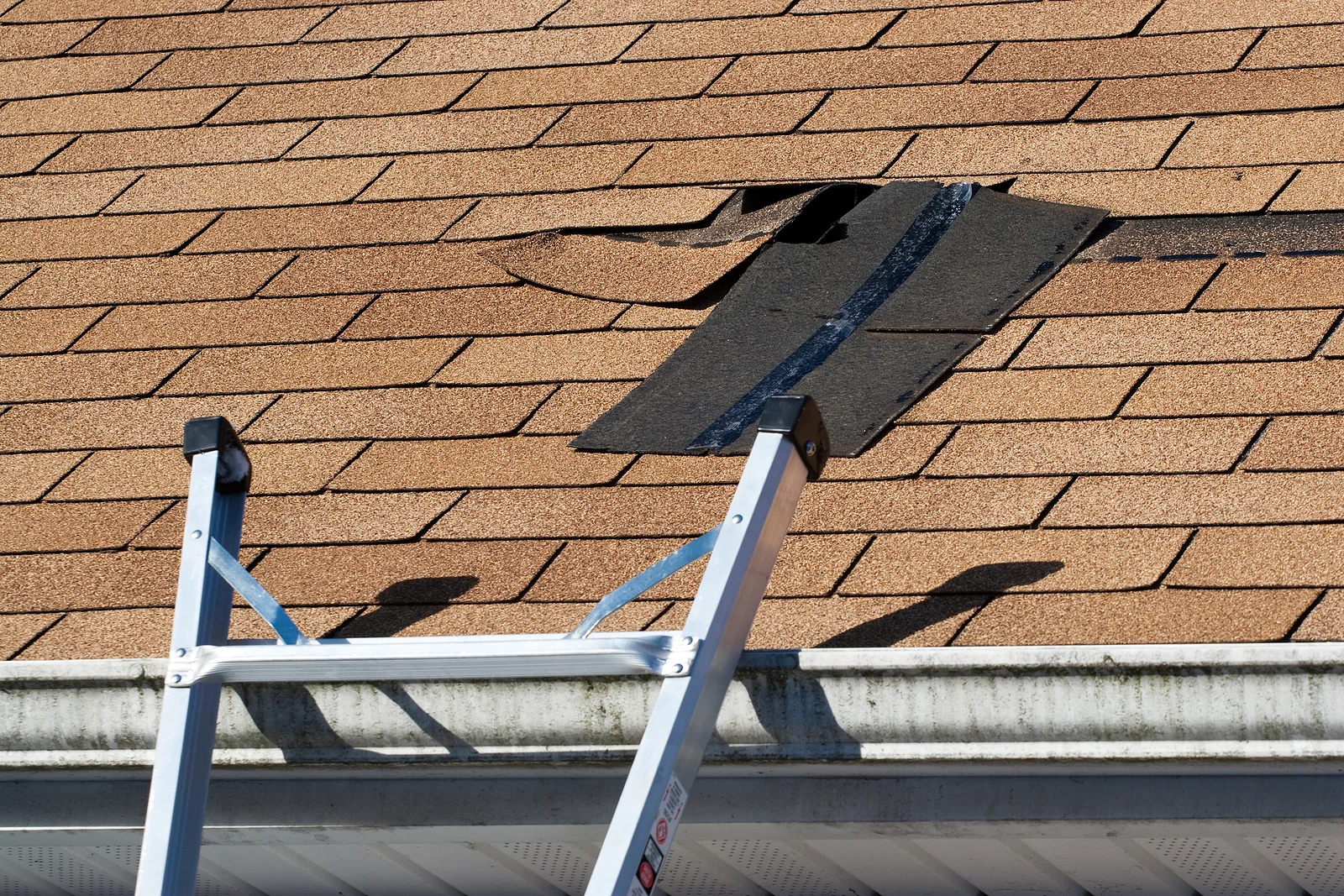
Wind and Storm Damage Roof Insurance Claims in Amarillo, TX
Wind is a year-round condition in Amarillo, not only a storm-day event. The Panhandle's open terrain and elevation mean commercial roofs here carry sustained wind loads most buildings in other parts of Texas never see, and that constant pressure shows up as slow edge-metal fatigue, loosening fasteners, and membrane creep long before an acute storm ever hits. Separating that ordinary wind wear from acute, claim-relevant damage from a specific storm, downburst, or tornado-warned system is the core of a wind claim inspection.
Dust storms and haboobs add a layer of damage most other regions do not deal with: wind-driven grit and debris that abrades membrane surfaces, pits coatings, and clogs drains and scuppers with fine sediment. A single dust event can leave a roof looking dirty without obvious damage, but repeated abrasive exposure combined with a high-wind episode can accelerate membrane wear in ways that matter to a claim, particularly on roofs that were already near the end of their service life.
Acute wind damage on a low-slope commercial roof concentrates at the perimeter and corners — the zones with the highest uplift pressure by design. We document lifted or torn edge metal, pulled coping, membrane peeled back from the perimeter, and fastening pattern failures where the original attachment could not hold against the load. Rooftop units, curbs, and mechanical screening are checked separately, since wind-driven debris and unit movement can tear flashing and punch the membrane around equipment that a ground-level look would never catch.
For tornado-warned events and severe downburst activity, which the Panhandle sees during spring and early summer storm season, we document the wind's path across the roof: which direction the damage runs, whether the pattern is consistent with straight-line wind or more localized rotational damage, and how debris impact from surrounding structures or vegetation factored into the loss. That directional evidence helps the claim reflect the actual event rather than a generic wind damage description.
We're your roofing contractor, not a public adjuster — we document and substantiate the wind and storm damage so you and your adjuster work from an accurate scope, not an assumption about what a windstorm typically does.
Buildings along the I-27 and US-87 corridors, Hollywood Road and Bell Street commercial districts, and the warehouse and manufacturing stock near the airport and I-40 East industrial corridor all carry this same wind exposure, just with different roof systems and different perimeter details. Older built-up and modified bitumen roofs downtown behave differently under wind load than newer TPO and metal systems on industrial buildings east of the city, and the documentation has to account for that.
If a wind event affected your building, send the storm date if you know it, the building address, and any photos of visible edge or membrane damage. We will inspect the full roof perimeter and field, document the pattern and extent, and produce a report grounded in what the wind actually did to that specific roof.
Questions Owners Ask About Wind and Storm Damage Roof Claims
How do you tell ordinary wind wear from storm-caused damage?
Ordinary wear looks gradual: slowly loosening fasteners, minor edge lift, membrane creep. Storm-caused damage shows a defined pattern — torn edge metal, peeled membrane, displaced coping — tied to a specific event and usually concentrated at perimeters and corners.
Do dust storms count as wind damage for a roof claim?
Dust and debris abrasion can contribute to membrane wear and drain blockage, and we document that separately from acute wind-lift damage. Whether it factors into a specific claim depends on the policy and the carrier's review.
Why does wind damage concentrate at roof edges and corners?
Those zones carry the highest uplift pressure in a wind event by design. Perimeter attachment and edge metal are typically the first components to fail under sustained or gusting wind.
Can rooftop units be damaged by wind without visible roof membrane damage?
Yes. Wind can shift curbs, tear flashing around units, or drive debris into equipment while the surrounding membrane field looks intact, which is why we inspect equipment and penetrations separately from the open field.
What if the wind damage looks minor from the ground?
Ground-level views miss most wind damage. A roof walk is the only reliable way to document lifted edge metal, torn seams, or perimeter fastening failure.
Start a conversation
Send the building location, roof type if known, storm date if known, and any adjuster contact you already have. We will help turn the roof concern into a clear next step.
Contact Commercial Roofing of AmarilloExplore More
- Commercial Roof Insurance Claim Assistance
- Hail Damage Roof Insurance Claims
- Snow and Ice Roof Damage Insurance Claims
- Insurance Claim Roof Documentation
- Wind Damage Roof Repair
- Storm Damage Roof Repair
- Edge Metal, Coping, and Gutters
- Commercial Roof Repair
- Commercial Roof Replacement
- Commercial Roof Coatings
- Roof Maintenance Programs
- Commercial Roof Inspections & Reports
- Roof Reports & Assessments