
Restaurant and Food Service Building Roofing
Restaurant and Food Service Building Roofing gets scoped from roof evidence, operating risk, Amarillo weather exposure, and the decision the building owner needs to make.
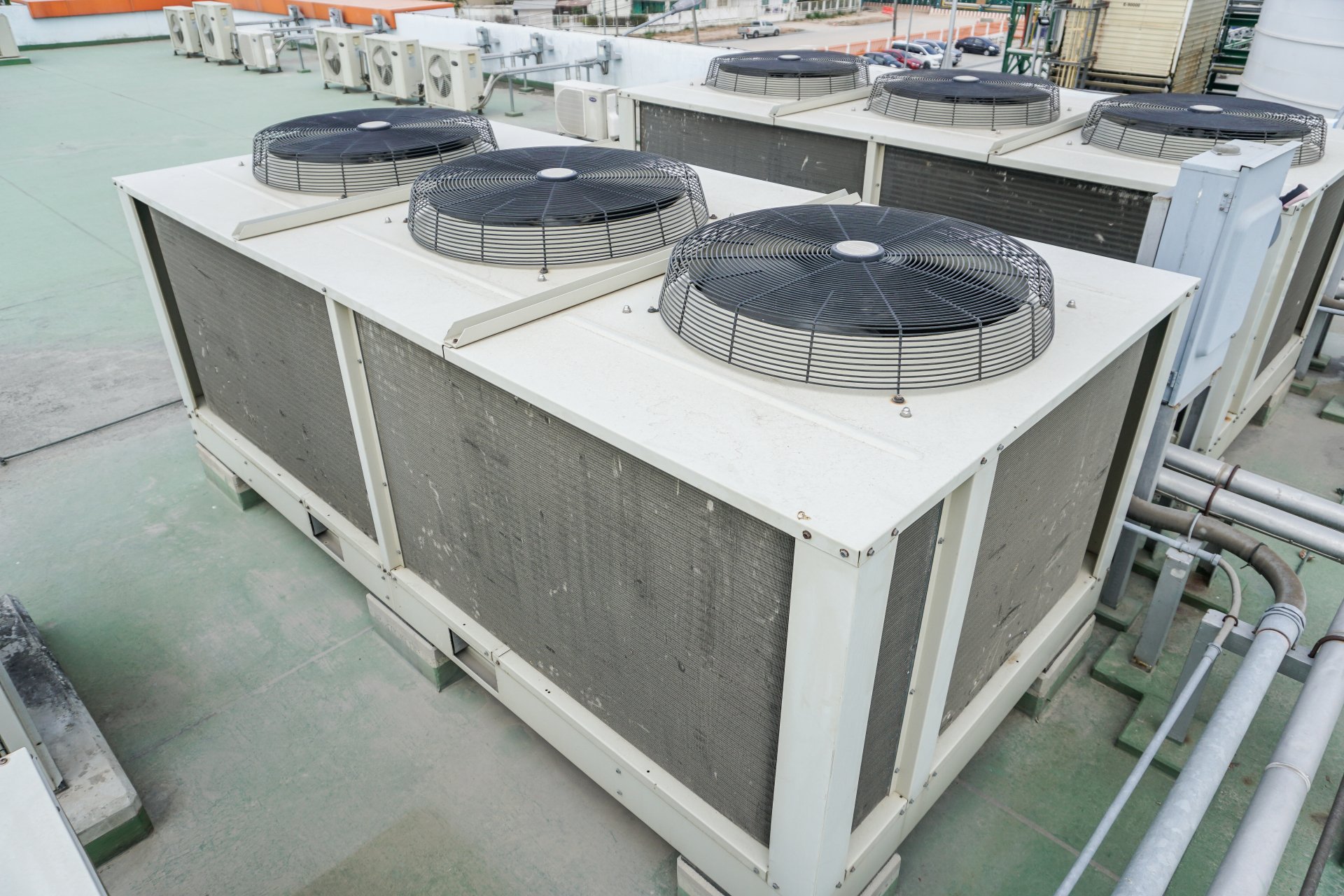
Restaurant and Food Service Building Roofing in Amarillo, TX
Amarillo's food service industry runs hard year-round, from the Western Street steakhouses that draw visitors off I- where Whataburger, Chick-fil-A, and Raising Cane's locations handle heavy daily traffic. Every one of these buildings depends on a commercial roof that keeps kitchen operations dry, compliant, and efficient — and in the Texas Panhandle, that roof faces some of the most punishing weather conditions in the country. Hailstorms sweep through with little warning, high plains winds exceed 60 mph during blue northers, and summer temperatures routinely push single-ply membranes to their limits. Commercial roofing for food service in Amarillo isn't a routine maintenance category; it's an ongoing engineering challenge.
Grease exhaust systems are the single most demanding penetration type on any restaurant roof, and Amarillo's QSR-heavy commercial corridors along Wolflin Avenue and Bell Street generate significant grease-laden exhaust volumes daily. Improperly flashed exhaust hoods allow grease to migrate under membrane edges, break down adhesive bonds, and create entry points for water intrusion that compromise both the roof system and the structural deck below. Properly engineered grease exhaust curbs use stainless-compatible flashing, elevated crickets to direct water away from penetrations, and chemical-resistant sealants rated for continuous grease contact. Getting this right from the start prevents the slow damage that only becomes visible after thousands of dollars of decking have already rotted.
Kitchen ventilation curbs on Amarillo restaurant roofs must account for the region's persistent wind. Makeup air units, exhaust fans, and HVAC equipment mounted on standard curbs can shift or develop flashing failures when exposed to sustained Panhandle gusts. Low-profile curb designs with mechanical fastening and wind uplift-rated membranes keep equipment secure and weathertight even when spring storms roll across the caprock. Roofing contractors working on food service buildings in this market must specify curb heights and attachment methods that meet local wind load requirements — a detail that generic national roofing bids often miss.
Fire suppression systems in commercial kitchens require roof penetrations for exhaust and pressure-relief components, and each of those penetrations is a potential leak point. Ansul and similar wet chemical suppression systems installed in Amarillo restaurants need clean, sealed roof penetrations that don't allow water infiltration back into the kitchen ceiling cavity. A moisture intrusion event above a fire suppression system can trigger false activations or corrode system components — both outcomes that shut down service. During any re-roofing project, suppression system penetrations should be re-flashed and tested before the kitchen reopens.
Walk-in coolers and freezers installed on rooftops or backed against exterior walls present a specific moisture challenge in Amarillo's climate. The dramatic temperature swings between summer afternoons above 100°F and winter nights that can drop below 10°F cause thermal cycling that works sealants loose and opens gaps at cooler curb flashings. Moisture that enters these gaps doesn't just damage roofing — it condenses inside cooler wall panels, promotes mold growth, and compromises the insulation values that keep refrigeration systems from overworking. Cooler perimeter flashings need to be inspected annually and re-sealed before the temperature extremes of summer and winter arrive.
The accelerated wear pattern on food service roofs in Amarillo differs from standard commercial buildings because kitchens generate sustained heat through ventilation systems even when outdoor temperatures are mild. A rooftop surface directly above a high-volume commercial kitchen runs measurably hotter than adjacent sections, causing the membrane to age faster in those zones. TPO and PVC single-ply membranes handle this differential aging better than modified bitumen products because their heat-welded seams don't soften and open under sustained thermal load. White reflective TPO also reduces cooling costs significantly in Amarillo's sun-intensive climate, which is a real-dollar benefit for restaurant operators already managing tight margins.
Ghost kitchens and delivery-only food operations have grown along Amarillo's commercial strips, taking over existing retail and light industrial spaces that weren't built for commercial kitchen ventilation loads. When operators convert these spaces, the roof often needs significant upgrades: new penetrations for exhaust systems, reinforced decking to carry rooftop HVAC, and fresh waterproofing around areas where the original roof was cut for new utility runs. Health code compliance in Amarillo requires that food prep areas maintain dry, cleanable ceilings — any evidence of active leaks or staining above a prep surface can result in failed inspections and forced closure until repairs are documented.
Minimizing business downtime during roofing work is a priority that Amarillo restaurant operators should raise explicitly before signing any roofing contract. A properly phased project can complete re-roofing in sections while keeping the kitchen operational, scheduling the most disruptive work during overnight hours or on Monday mornings when QSR traffic typically dips. Contractors who routinely serve the food service sector understand these scheduling constraints and build them into their project timelines. Operators who don't ask about phasing often end up with contractors who block access to kitchen areas during peak lunch and dinner periods — a preventable disruption that costs more in lost revenue than a scheduling premium would have.
Long-term roof performance on Amarillo food service buildings comes down to the quality of the initial specification and the rigor of annual maintenance. The hail exposure alone in Potter and Randall counties makes impact-resistant membrane options worth evaluating, and the grease exhaust loads mean that any maintenance plan must include cleaning and re-sealing of exhaust penetration flashings at least once a year. Operators managing multiple locations along the Coulter and Soncy commercial corridors benefit from setting up service agreements that cover all sites under a single inspection schedule, ensuring nothing falls through the cracks between busy seasons.
- How does Amarillo's hail risk affect roofing choices for restaurants?
- The Texas Panhandle sees frequent large-hail events that can puncture standard single-ply membranes and damage rooftop equipment. Impact-resistant TPO or PVC membranes rated for hail resistance are worth the premium in this market because they reduce the frequency of insurance claims and emergency repairs. Rooftop HVAC and exhaust equipment should also have protective screens or guards to limit hail damage to fan blades and coil fins.
- What makes grease exhaust flashing different from standard roof penetration flashing?
- Grease exhaust carries aerosolized cooking oils that break down standard asphalt-based sealants and can degrade certain membrane materials over time. Proper grease exhaust flashing uses chemical-resistant materials, elevated curbs to prevent pooling, and stainless-compatible accessories that won't corrode from grease contact. Annual cleaning of grease deposits from around exhaust penetrations is part of a complete roof maintenance program for restaurant buildings.
- Can a restaurant stay open during a full roof replacement?
- In most cases, yes — a phased replacement plan can isolate work to sections of the roof away from active kitchen areas, and overnight scheduling keeps disruption out of operating hours. The key is discussing phasing requirements before the project starts so the contractor can build a realistic schedule. Most experienced commercial roofing contractors who work with food service clients have standard protocols for maintaining operations during re-roofing.
- Why do walk-in cooler roof penetrations fail more often than other penetrations?
- The temperature differential between the cooler interior and the roof surface above creates constant thermal cycling that fatigues sealants and flashings faster than penetrations in ambient-temperature areas. In Amarillo, this effect is amplified by extreme seasonal temperature swings that stretch and compress flashing materials repeatedly. Annual inspection and re-sealing of cooler perimeter flashings is the most cost-effective way to prevent moisture intrusion into refrigerated storage areas.
- What roofing membrane is best for energy savings on Amarillo restaurant buildings?
- White TPO and PVC membranes with high solar reflectance are the most effective choice for reducing cooling loads in Amarillo's intense summer sun. Reflective membranes can reduce rooftop surface temperatures by 50–80°F compared to dark surfaces, meaningfully lowering the demand on HVAC systems that are already working hard to compensate for kitchen heat loads. Many Amarillo restaurant operators recoup the modest cost premium of reflective membranes within two to three cooling seasons through reduced energy bills.
Start a conversation
Send the building location, roof type if known, leak photos, tenant restrictions, and the timing pressure. We will help turn the roof concern into a clear next step.
Contact Commercial Roofing of AmarilloExplore More
- Standing Seam Metal Roofing
- Insurance Claim Roof Documentation
- Lightweight Concrete Roof Decks Info
- Multifamily Roofing
- Drone Roof Inspection
- Roof Recover Overlay
- Leak Repairs Info
- University Campus Roofing
- Commercial Roof Repair
- Commercial Roof Replacement
- Commercial Roof Coatings
- Roof Maintenance Programs
- Roof Reports & Assessments