
Industrial Flex Space Roofing
Industrial Flex Space Roofing gets scoped from roof evidence, operating risk, Amarillo weather exposure, and the decision the building owner needs to make.
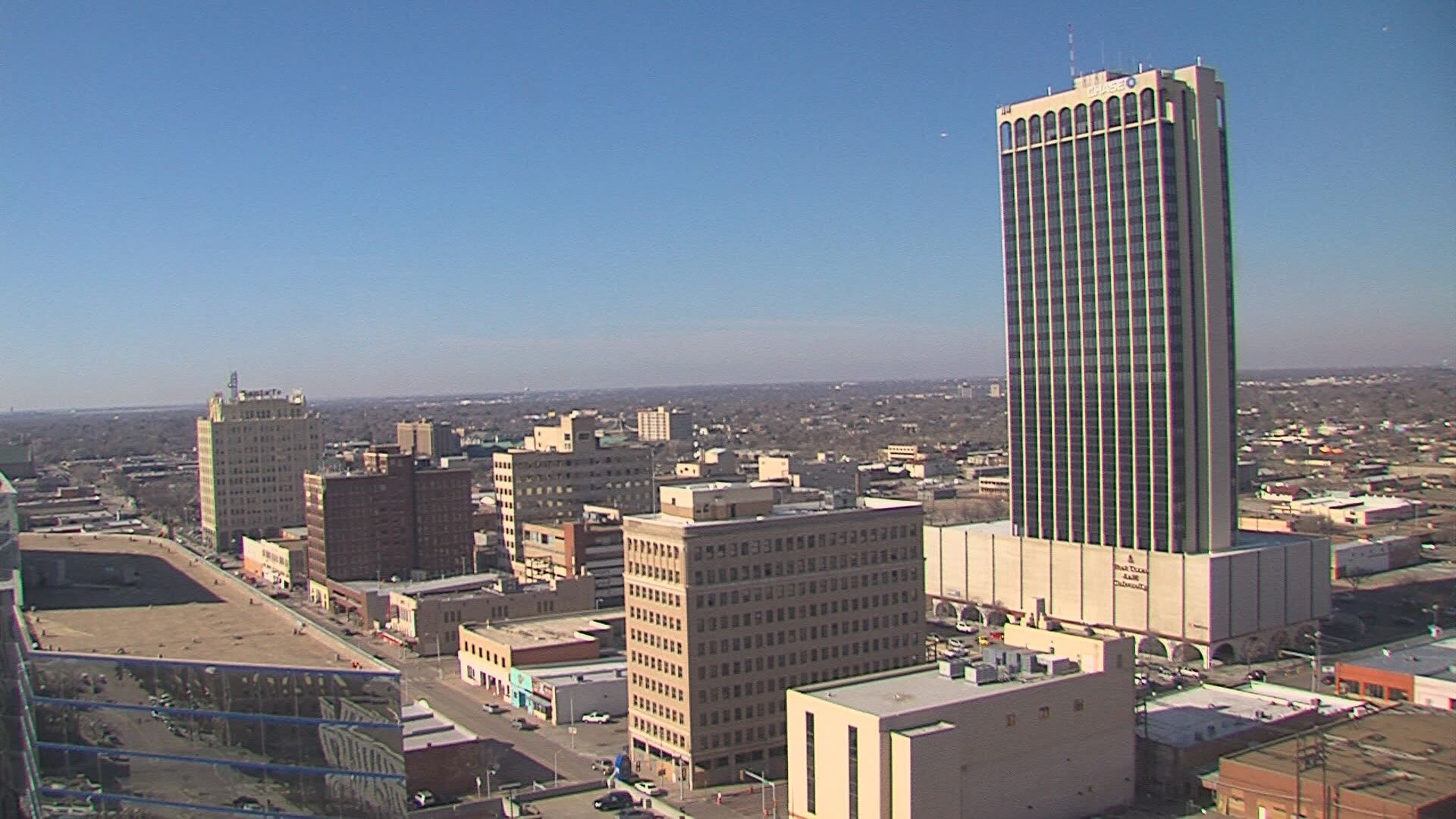
Industrial Flex Space Roofing in Amarillo, TX
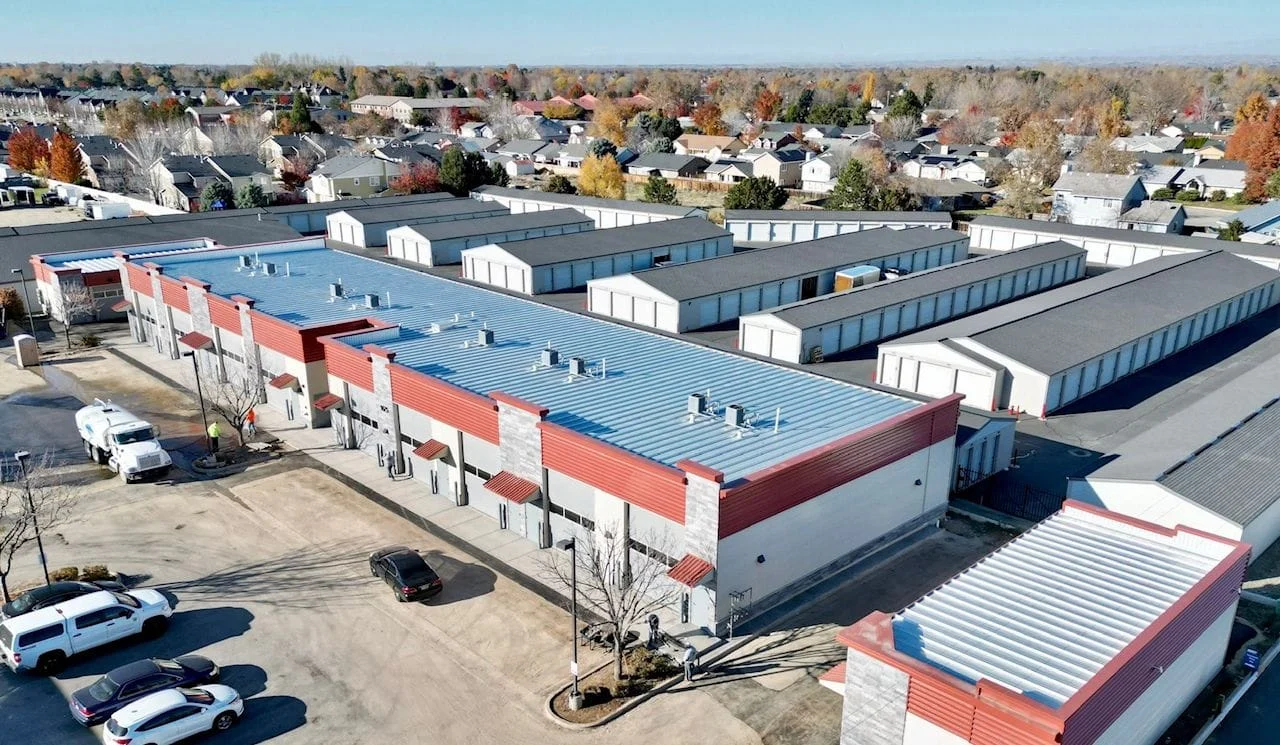
The most unpredictable roof in the portfolio
Flex space is everywhere in Amarillo's working districts, the multi-bay buildings strung along Amarillo Boulevard, the Hollywood Road and Loop 335 industrial belt, the parks near Rick Husband Amarillo International Airport, and the rail- and highway-served sites out in CenterPort. One building might hold a light-manufacturing shop, a contractor's warehouse, a small distribution operation, and a lab or office suite, all under one roof, with the tenant mix changing every lease cycle. That constant churn is exactly what makes a flex roof harder to manage than a single-user building, because the roof has to keep performing through occupancy changes it was never originally designed around.
We approach flex roofing knowing the membrane is rarely the whole story. The real work is sorting out what years of tenants have done to the roof and getting ahead of the next change before it turns into a leak over somebody's inventory.
Penetrations nobody wrote down
Every time a tenant moves in or builds out, something new goes through the roof, a rooftop HVAC unit, a new electrical or refrigerant run, an exhaust fan, a small skylight. Over a decade of turnover a flex roof accumulates dozens of penetrations, many of them added by whoever was cheapest at the time and almost none of them recorded in the property file. That is why every flex scope we do starts with a penetration survey: we photograph and map every curb, boot, and old abandoned opening, compare it against original drawings if any exist, and flag the non-standard or poorly sealed details that have to be corrected before new membrane goes down. Skipping that step is how warranty disputes get started.
Abandoned and capped openings
When a unit gets pulled, the curb left behind is often capped with a temporary cover that fails within a rain event or two, and on a flex building those quiet, capped openings over a vacant bay are a classic source of water that nobody catches until the next tenant complains. We treat every abandoned penetration as a real detail to be properly closed and flashed, not a hole with a board over it.
Many decks, one building type
Amarillo's flex inventory runs the full range. There are 1970s and 1980s tilt-wall and concrete buildings still carrying aging built-up or gravel roofs, and there are newer pre-engineered metal buildings with standing-seam or R-panel roofs. The right path depends on the deck, the condition of the existing assembly, and how much disruption the current tenants can absorb. For tilt-wall and concrete flex we typically specify single-ply over new insulation, and where the deck takes heavy rooftop traffic from multiple tenants' service contractors we step up the membrane thickness for puncture resistance. For pre-engineered metal buildings a coated-metal or retrofit standing-seam recover often extends the roof for years without a full tear-off, and we install both approaches here.
Coordinating around a building full of tenants
Multi-tenant work lives or dies on coordination. We start from a bay-by-bay occupancy map and a contact list from property management, identify which tenants run active rooftop equipment, which bays sit vacant, and who is sensitive to noise or HVAC downtime, then sequence the work and the daily dry-in around all of it. Tenants get advance notice, but they communicate through the property manager rather than flagging down a crew on the roof, which keeps the job moving and the messaging consistent. And because spring out here brings hail and hard wind, every section is watertight before we leave it so no one's bay takes water from an open deck.
Built for owners and managers
Most of our flex clients are investors and property managers watching capital across more than one building. We price the work per roof square after a roof walk and core where it is needed, and for owners with several properties we provide standardized condition reports that drop straight into a capital plan, so you can see which roofs need attention now and which can wait without guessing.
Tell us about the property
Send the building location, the deck and membrane type if you know them, a rough bay count and occupancy status, and any history of leaks. Whether it is a tilt-wall multi-bay on Amarillo Boulevard, a metal flex building off Loop 335, or a CenterPort property in lease transition, we will give you a clear plan and an honest read on repair versus recover versus replacement.
Industrial Flex Space Roofing Questions
Why do you survey every penetration before quoting a flex roof?
Because flex roofs accumulate dozens of tenant-added penetrations over years of turnover, and most are undocumented. We photograph and map every curb, boot, and abandoned opening, compare them to original drawings if any exist, and flag the poorly sealed details that need correcting before new membrane goes down. That prevents leaks and warranty disputes later.
A vacant bay is leaking but no equipment is up there. Why?
Almost always an abandoned curb from a removed HVAC unit, capped with a temporary cover that failed after a storm or two. Over a vacant bay nobody notices until the next tenant complains. We properly close and flash every abandoned penetration instead of leaving a board over the opening.
What membrane is best for a multi-tenant flex building?
For tilt-wall and concrete buildings we typically specify single-ply over new insulation, stepping up the membrane thickness where multiple tenants' service contractors create heavy rooftop traffic. For pre-engineered metal buildings, a coated-metal or retrofit standing-seam recover often extends the roof for years without a full tear-off. We install both.
How do you coordinate work with several tenants at once?
We start from a bay-by-bay occupancy map and a property-management contact list, identify active rooftop equipment, vacant bays, and noise- or downtime-sensitive tenants, then sequence the work and daily dry-in around all of it. Tenants get notice but communicate through the property manager, which keeps the job moving and the message consistent.
Can you help plan roofing capital across several flex properties?
Yes. We price per roof square after a roof walk and core where needed, and for owners with multiple buildings we provide standardized condition reports that feed straight into a capital plan, so you can see which roofs need attention now and which can wait.
Start a conversation
Send the building location, roof type if known, leak photos, tenant restrictions, and the timing pressure. We will help turn the roof concern into a clear next step.
Contact Commercial Roofing of Amarillo