
Roof Insulation and Recovery Board
Roof Insulation and Recovery Board gets scoped from roof evidence, operating risk, Amarillo weather exposure, and the decision the building owner needs to make.
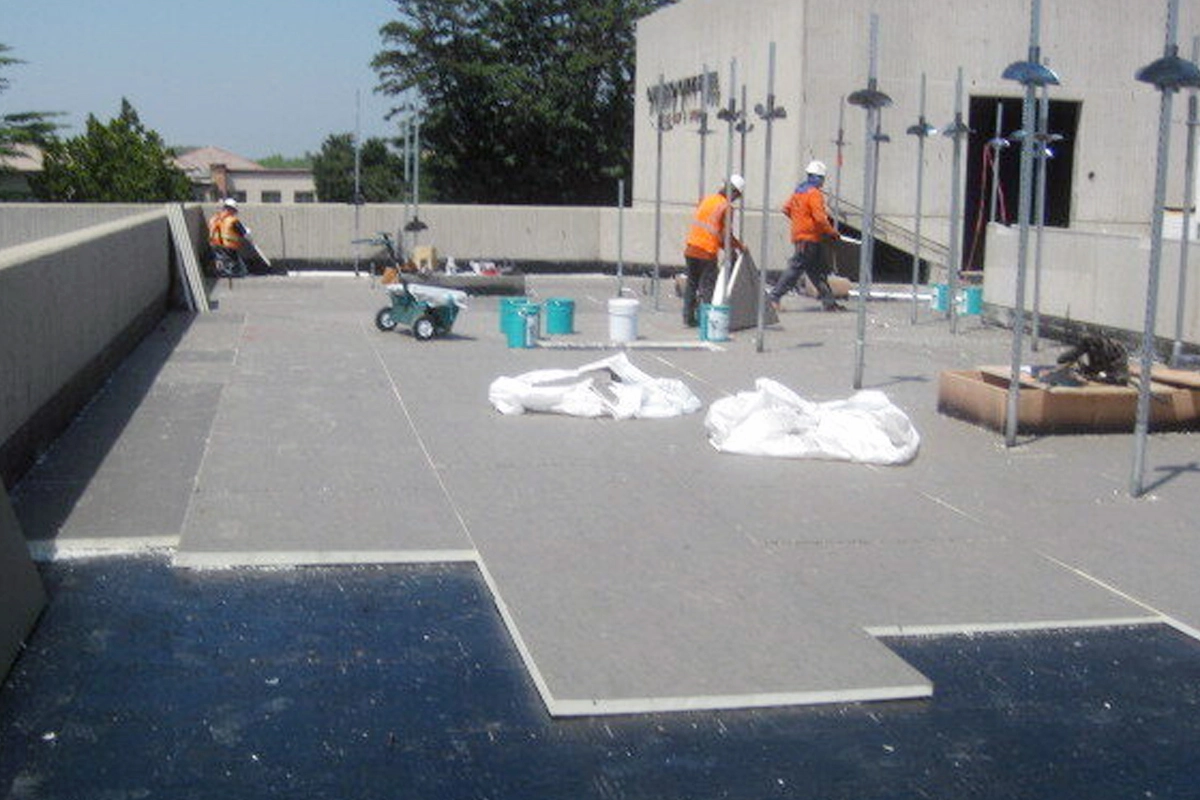
Roof Insulation and Recovery Board in Amarillo, TX
Roof Insulation and Recovery Board covers substrate planning under recover, replacement, and coating scopes in Amarillo. When I look at roof insulation and recovery board, I am not trying to force a predetermined system onto the building. I am trying to understand the deck, insulation, drainage, perimeter, rooftop equipment, traffic pattern, leak history, and budget pressure before anyone turns the roof into a sales conversation. A good commercial roof scope should read plainly enough for an owner, property manager, facility director, lender, tenant representative, or purchasing department to understand why the work is being recommended.
Amarillo weather puts wind, hail, heat, dust, snow, freeze-thaw movement, and fast temperature swings into the same roof conversation. That matters for roof insulation and recovery board because weak edges, loose coping, brittle flashing, punctured membrane, dirty drains, exposed fasteners, and old sealant do not fail politely. They usually show up when a storm crosses the Panhandle, a cold front moves through, or a tenant is trying to stay open. Our first step is to separate active water entry from longer-term roof deterioration so the building gets a practical order of operations.
On every roof insulation and recovery board call, access and safety shape the work. Downtown Amarillo offices, Soncy retail, airport-area facilities, manufacturing plants, and warehouse roofs do not all give a crew the same staging options. We look at ladders, gates, loading areas, overhead doors, tenant entrances, roof hatches, fall exposures, rooftop units, electrical service, and after-hours limits before writing the scope. That front-end work prevents a small repair from becoming a disruption to the operation below.
The roof itself gets documented in a way that can survive a budget meeting. I want photos of the defect, context shots, a roof-area description, field notes, and a clear explanation of whether the issue appears isolated or part of a bigger pattern. For roof insulation and recovery board, that may mean seam probing, fastener checks, core cuts, moisture screening, drain review, edge-metal inspection, curb and penetration review, or a measured look at previous repairs that are now telegraphing through the membrane.
Leak repair is usually where owners first call, but the right answer is not always a large project. Some roof insulation and recovery board situations are best handled with a targeted repair, cleaned drain, curb rebuild, flashing patch, metal closure repair, or small membrane section. Other roofs show enough age, saturation, hail impact, open laps, failed coatings, or repeated leaks that repair money needs to be controlled while replacement, recover, or restoration options are compared. We make that distinction visible.
When replacement or recover planning is on the table, roof insulation and recovery board needs more than a square-foot number. The file should cover tear-off assumptions, layer count, attachment, insulation value, recovery board, deck condition, roof drains, scuppers, edge metal, wall flashings, rooftop equipment, weather windows, temporary dry-in, disposal, odor or noise concerns, and closeout paperwork. Amarillo owners also need to know how high wind and hail exposure affect system selection and perimeter detailing.
Coatings and restoration can be useful, but only when the roof earns that option. For roof insulation and recovery board, I look for wet insulation, ponding water, adhesion risk, chalking, open seams, loose fasteners, rust, previous coating failure, unsupported patches, and drainage problems before talking about acrylic, silicone, or foam-and-coating work. A coating is not a magic cover-up. It is a roof system decision that depends on cleaning, preparation, thickness, detailing, and the condition of the assembly underneath.
The local mix includes logistics, agriculture, food processing, manufacturing, aviation, healthcare, retail, schools, offices, municipal facilities, and industrial support buildings. Each buyer reads a roof proposal differently. A property manager wants tenant disruption controlled. A plant manager wants uptime protected. A school needs calendar-sensitive scheduling. A retailer wants entryways dry. A public owner needs clean documentation. An industrial operator may care more about dust, safety, and equipment protection than front-lobby appearance. For roof insulation and recovery board, the roof scope has to speak to the building use, not just the membrane type.
Storm documentation is another place where plain language matters. We can document observed roof conditions after hail, wind, blowing debris, or water entry, but we do not pretend to control insurance outcomes. For roof insulation and recovery board, the useful contractor file is grounded in photos, measurements, location notes, temporary repair records, repair recommendations, and clear separation between pre-existing wear and observable storm-related conditions when that distinction can be made from the roof.
Maintenance should be boring, and that is the point. A good roof insulation and recovery board maintenance visit clears drains, checks scuppers, reviews edge metal, looks at counterflashing, inspects curbs, finds punctures, notes membrane movement, photographs concerns, and makes small repair recommendations before water reaches inventory, ceiling tile, equipment, or tenants. In Amarillo, spring and fall inspections are often the best rhythm because they bracket the warm-season storm period and the winter wind cycle.
Communication is part of the roof work, especially when roof insulation and recovery board affects a building that stays open. Before crews mobilize, the owner should know who receives photos, who approves changed conditions, where materials can stage, what areas must stay clear, how weather delays are handled, and when the roof is considered watertight at the end of each day. Those details sound ordinary until they are missing. A documented communication plan keeps roof work from turning into a guessing game for tenants, managers, and maintenance staff.
Budgeting for roof insulation and recovery board should give ownership real choices. I prefer to show immediate leak-control items, near-term repair items, restoration candidates, and replacement triggers in separate buckets. That keeps a roof from being treated as either nothing or a full tear-off. It also helps compare bids because owners can see whether two proposals are solving the same problem, skipping the same risk, or pricing different scopes under similar headings.
If you call Commercial Roofing of Amarillo about roof insulation and recovery board, send the building location, roof age if known, roof access notes, recent leak locations, interior photos, prior reports, and any timing restrictions. We will start with a roof walk and a readable scope. The goal is simple: keep the building dry, protect the operation below, and give you enough information to make the next roofing decision without guessing.
Questions Owners Ask About Roof Insulation and Recovery Board
What is the realistic cost difference between Roof Insulation and Recovery Board and full replacement?
It depends on wet insulation, roof age, deck condition, access, perimeter metal, and whether the problem is isolated or widespread. The inspection should separate repair, restoration, recover, and replacement options.
Can Roof Insulation and Recovery Board be done while tenants or staff are in the building?
Usually, but the plan should account for access, noise, odor, debris, weather windows, roof openings, and communication with the people below the roof.
How do you document Roof Insulation and Recovery Board for an owner or manager?
We use photos, roof-area notes, defect descriptions, recommended scope, priority level, and any assumptions that affect pricing or timing.
How fast should I act if Roof Insulation and Recovery Board is tied to a leak?
Active water entry should be stabilized quickly. Permanent repair or replacement planning comes after the roof is safe to inspect and the source can be identified.
Will insurance decide the scope for Roof Insulation and Recovery Board?
Insurance may affect funding, but contractor-side roof documentation should still stand on observable conditions, measurements, photos, and repair requirements.
Start a conversation
Send the building location, roof type if known, leak photos, tenant restrictions, and the timing pressure. We will help turn the roof concern into a clear next step.
Contact Commercial Roofing of AmarilloExplore More
- Rooftop Unit Curb Flashing
- Manufacturing Facility Roofing
- Mixed Use Roofing
- KEE Single Ply Roofing
- Roof Inspection Condition Report
- Commercial Roofing New Construction Info
- Government Building Roofing
- Standing Seam Metal Roofing
- Commercial Roof Repair
- Commercial Roof Replacement
- Commercial Roof Coatings
- Roof Maintenance Programs
- Commercial Roof Inspections & Reports