
Healthcare Facility Roofing
Healthcare Facility Roofing gets scoped from roof evidence, operating risk, Amarillo weather exposure, and the decision the building owner needs to make.
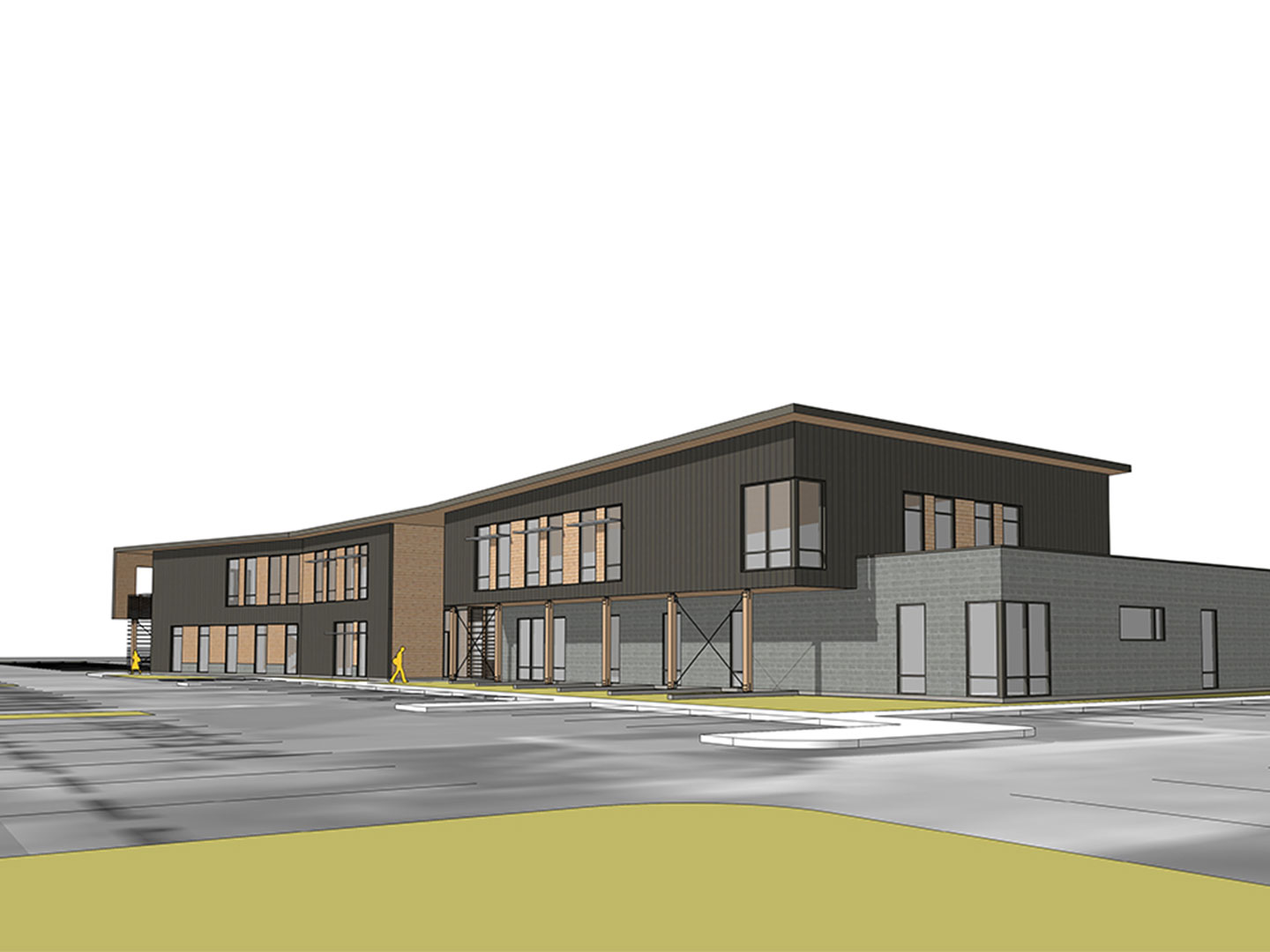
Healthcare Facility Roofing in Amarillo, TX
Amarillo occupies a unique position in the Texas Panhandle healthcare landscape, serving as the regional medical hub for a vast swath of the High Plains that stretches into New Mexico, Oklahoma, and southern Colorado. Baptist St. Anthony's Hospital and Texas Tech University Health Sciences Center's Amarillo campus anchor a concentrated medical district along Wallace Boulevard and I-27 that has been expanding steadily as the region's population ages and telemedicine drives more complex cases to Amarillo's tertiary care facilities. Across this district, commercial roofing for healthcare facilities demands a level of planning and coordination that goes well beyond standard industrial work—and contractors who treat hospital roofing like any other flat roof quickly create expensive problems for facility managers.
The Panhandle climate is unforgiving toward building envelopes. Amarillo sits at roughly 3,600 feet elevation, and the combination of intense UV radiation, extreme temperature swings, and the region's notorious wind events creates accelerated membrane degradation that catches unprepared building owners off guard. The city regularly records wind gusts exceeding 50 mph, and a roofing system that performs well in Dallas may fail prematurely in Amarillo if it wasn't specified with proper wind uplift resistance for this microclimate. Medical office buildings along Coulter Street and the hospital campuses themselves need assemblies rated for the High Plains' wind environment, with enhanced seam strength and perimeter securement details that exceed standard commercial requirements.
Hail is a recurring threat in the Texas Panhandle, and large hail events can compromise membrane integrity across entire hospital roof sections in a single storm. After a significant hail strike, the concern isn't always visible puncture—it's the bruising and delamination beneath the membrane surface that allows water to migrate laterally before finding a pathway into the building. For healthcare facilities, that concealed migration can travel long distances before appearing as a ceiling stain, often above sensitive areas far removed from the actual impact site. Our post-hail assessments for Amarillo healthcare clients use infrared thermography to map moisture intrusion before any visible damage is apparent, allowing targeted repairs rather than speculative tear-off.
Baptist St. Anthony's and the facilities affiliated with the Texas Tech Physicians group operate under Joint Commission accreditation, which means infection control during construction and maintenance activities is subject to formal review. Our crews are trained in the ICRA (Infection Control Risk Assessment) process and work with facility infection preventionists to establish containment protocols appropriate to the adjacency of work zones to patient care areas. For the surgical center and intensive care buildings in the Amarillo medical district, we establish physical barriers at all roof-to-interior penetrations and conduct air quality monitoring at nursing stations when tear-off is occurring directly overhead.
The concentration of medical gas infrastructure on Amarillo's hospital campuses requires experienced hands at every flashing detail. Oxygen, nitrous oxide, medical air, and vacuum system risers penetrate roofs in clusters near surgical suites and procedure rooms, and a failure at any of these penetrations can result in both a water intrusion and a code violation under NFPA 99 healthcare facility standards. We document every penetration with photographs and dimensional records before work begins and provide as-built drawings to facility engineering after completion. For Texas Tech's healthcare buildings, these records integrate with the campus facilities management system that supports accreditation documentation.
Many of Amarillo's urgent care clinics, freestanding emergency rooms, and specialty surgery centers operate in strip retail conversions or purpose-built medical office buildings where the roofing was not originally designed for healthcare occupancy loads. As these facilities have added heavy HVAC equipment, rooftop generators, and complex exhaust systems, the original deck structure and insulation systems have been compromised by poorly executed penetrations and abandoned equipment pads. When we take on a reroofing project at these converted properties, we conduct a thorough decking assessment before specifying a new system, identifying areas where substrate damage requires repair before a new membrane will perform reliably.
Assisted living and memory care communities in Amarillo—including the cluster of senior living properties in the neighborhoods northwest of downtown—face the same zero-tolerance standard for roof leaks that applies to acute care facilities. The combination of elderly residents with compromised immune systems, the humidity that can accumulate in concealed cavities from slow leaks, and the regulatory scrutiny applied by Texas HHSC makes any water intrusion event a serious compliance matter. We approach long-term care reroofing with the same infection control rigor we apply to hospital work, and we notify facility directors in advance of any activity that could generate noise or vibration affecting residents with dementia or sensory sensitivities.
After-hours and weekend scheduling is a standard part of our healthcare service model in Amarillo. Medical practices along Soncy Road and in the physician office buildings surrounding Baptist St. Anthony's cannot afford to redirect patients or cancel procedures because of roofing noise. We stage multi-phase projects so that each zone is completed in full before work shifts to an adjacent section, minimizing the footprint of active construction at any one time and allowing patient-facing operations to continue without interruption. This phased approach requires more detailed pre-project planning, but it eliminates the disruption costs that facilities incur when construction bleeds into business hours.
Preventive maintenance is the foundation of a sound healthcare roofing program in the Panhandle, where the combination of UV, wind, and temperature cycling demands more frequent inspection intervals than more temperate climates. Our maintenance contracts for Amarillo healthcare facilities include spring and fall inspections, post-storm assessments after any event with hail or winds exceeding 60 mph, and a 24-hour emergency response commitment for active leaks. We maintain electronic inspection records accessible to facility managers and upload condition reports directly to the document management platforms used by healthcare system real estate departments, ensuring that maintenance history is never lost during staff transitions.
- How do you address hail damage on hospital roofs in Amarillo?
- We conduct infrared thermographic scans after significant hail events to identify subsurface moisture migration that may not be visible on the surface. This allows us to map the full extent of damage and perform targeted repairs rather than broad speculative replacement, reducing cost while ensuring no compromised areas are left in place above patient care spaces.
- What wind uplift standards do you use for healthcare roofing in the Texas Panhandle?
- We specify assemblies that meet or exceed the wind uplift requirements established by FM Global and local building codes for Amarillo's high-wind zone, with enhanced perimeter and corner securement details. Medical facilities typically warrant upgraded securement given the consequence of any roof failure, and we design to the higher end of the applicable pressure zone requirements.
- How is infection control managed during reroofing at Baptist St. Anthony's campus buildings?
- We complete a formal ICRA in coordination with the facility's infection preventionist before any work begins. Physical dust barriers are established at roof deck penetrations, air quality is monitored at nursing stations during demolition phases, and debris removal is conducted through sealed chutes to prevent airborne particulate from entering air handling systems.
- Can you reroof urgent care clinics in Amarillo without closing the facility?
- Yes. We design project phasing so that roofing activity above the occupied clinic occurs outside patient care hours, typically evenings and weekends. Each phase is fully completed and waterproof before patient access resumes beneath that zone, ensuring there is no open or exposed roof deck above an operating clinic at any time.
- Do you offer maintenance contracts for Amarillo healthcare facilities?
- We provide semi-annual inspection and maintenance contracts that include post-storm response, detailed condition reports, and documentation formatted for healthcare real estate management systems. Emergency response is guaranteed within 24 hours for active leaks at any contracted healthcare facility in the Amarillo metro.
Start a conversation
Send the building location, roof type if known, leak photos, tenant restrictions, and the timing pressure. We will help turn the roof concern into a clear next step.
Contact Commercial Roofing of AmarilloExplore More
- Metal R Panel Roofing
- Emergency Tarp Dry
- Leak Repairs Info
- Office Building Roofing
- Solar Roof Integration
- Roof Tear Off Replacement
- Commercial Roofing New Construction Info
- Mixed Use Roofing
- Commercial Roof Repair
- Commercial Roof Coatings
- Roof Maintenance Programs
- Commercial Roof Inspections & Reports
- Roof Reports & Assessments