
Retail and Shopping Center Roofing
Retail and Shopping Center Roofing gets scoped from roof evidence, operating risk, Amarillo weather exposure, and the decision the building owner needs to make.
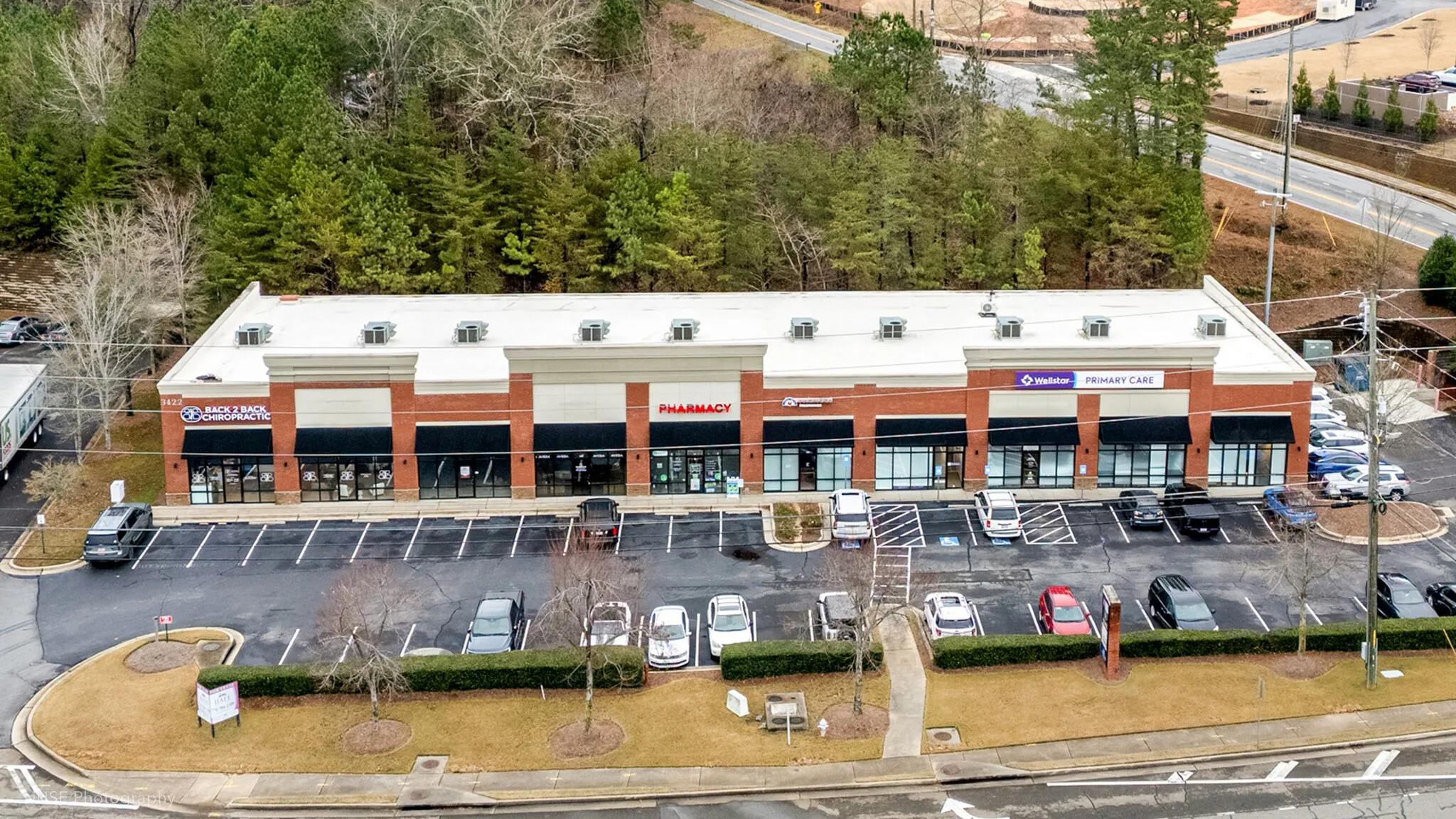
Retail and Shopping Center Roofing in Amarillo, TX
Amarillo's retail real estate landscape is organized primarily along the Coulter Drive and Bell Street corridors in the western part of the city, with additional concentration around the Westgate Mall area and the big-box strip developments that have expanded along the I- on the city's eastern commercial edge. The Texas Panhandle's weather patterns create a distinctive roofing challenge set that differs sharply from the Gulf Coast part of the state — high winds across the flat plains, significant hail frequency, intense summer heat, and occasional ice storms that can follow warm January days with remarkable speed. Commercial roofing contractors who understand Amarillo's specific climate conditions are genuinely more valuable to retail property managers here than generalist firms without regional experience.
Hail damage is the most significant recurring roofing risk for Amarillo retail properties, and it directly affects insurance premiums and replacement cycles in ways that property managers across Potter and Randall Counties manage as an ongoing business cost. The Texas Panhandle is among the most active hail corridors in North America, and commercial roofing membranes, edge metal, and HVAC units on retail roofs routinely sustain damage from storms that move through with little warning. Property managers at shopping centers along Coulter or the retail nodes near Georgia Street need to conduct professional roof inspections within 24 to 48 hours after any significant hail event, because the window for filing insurance claims with proper documentation is limited and the difference between a documented fresh claim and an ambiguous one can be tens of thousands of dollars.
Wind uplift performance is a non-negotiable specification criterion for retail roofs in Amarillo because the Panhandle's open geography allows winds to build speed across hundreds of miles of flat terrain before reaching commercial buildings with no natural windbreaks. Membrane attachment systems that rely on adhesive bonding or limited mechanical fastening may be adequate in sheltered urban environments but fail under the sustained and gusting winds that Amarillo experiences during spring storm season and cold front passages. Fully adhered or heavily mechanically fastened TPO systems with high FM wind uplift ratings are the standard specification for well-designed commercial roofing on retail buildings in the metro, and contractors who propose lighter attachment methods for Panhandle properties should be viewed with skepticism.
The high desert heat of an Amarillo summer creates a compelling case for reflective roofing membranes on retail buildings throughout the metro. Big-box retailers and strip mall anchors along the I- commercial spine have cooling systems that run at high load for months at a stretch, and the difference in rooftop surface temperature between a dark modified bitumen roof and a white TPO membrane can exceed 50 degrees Fahrenheit during peak summer afternoons. That temperature differential translates directly into HVAC load reduction, and for retail tenants whose electricity bills are a meaningful operating expense, a landlord who installs a reflective roof is providing a tangible competitive advantage compared to properties still operating on older dark-surface membranes.
HVAC rooftop units on Amarillo retail buildings sustain additional mechanical stress from the Panhandle's wind and grit loads that affect their curb flashings and unit seals over time. Retail tenants in sectors like food service, grocery, and fitness — all well-represented in Amarillo's retail mix — run their mechanical equipment at high duty cycles, and the combination of equipment vibration, wind loading, and thermal cycling creates conditions where curb flashings loosen and membrane laps at equipment bases begin to lift. A commercial roofer working on Amarillo retail properties should include HVAC curb flashing inspection and resealing as a standard maintenance item, not just during full re-roofing projects but as a recurring annual service that prevents the gradual infiltration failures that curb flashings develop over time.
National retail chains operating stores in Amarillo — and the city's I-40 corridor attracts a significant share of Texas-system retailers and national brands serving the regional trade area that extends into New Mexico, Oklahoma, and Kansas — carry facility standards that shape roofing specifications on their leased properties. A national chain executing a lease in a Coulter Drive power center or a freestanding pad site near Westgate will bring requirements for specific membrane systems, installer certification, and warranty structures that define what the property owner can and cannot install. Local commercial roofers who maintain manufacturer certifications and stay current with the major retail chains' approved installer programs are positioned to serve this segment of the Amarillo market; those who don't carry those credentials are effectively excluded from a meaningful portion of available work.
Retail property managers in Amarillo who handle multi-tenant strip centers face a specific operational challenge during roofing projects: the city's retail corridors tend toward high traffic density, with morning service businesses, lunchtime restaurants, and afternoon retail peaking at different times throughout the operating day. A roofing crew working above a busy fast-food tenant during the lunch rush, or over a nail salon that relies on good air circulation, creates customer experience problems that generate tenant complaints and sometimes social media amplification. Phasing roofing work thoughtfully — completing sections over the most disruption-sensitive tenants outside peak hours — requires a contractor who is willing to manage a more complex schedule but delivers meaningfully better outcomes for the property manager.
CAM budgeting for Amarillo retail properties requires accounting for the higher-than-average repair frequency that the Panhandle's weather imposes. Annual budgets that don't include a roofing contingency line specifically for hail and wind repair events are likely to be exceeded in most years, and the property manager who goes to ownership for emergency budget approval after every storm is delivering a worse outcome than one who builds realistic reserve funding into the annual plan. Tracking repair costs by weather event and maintaining an organized documentation file that maps repairs to specific storm dates also creates a useful history for insurance purposes and for understanding the true maintenance cost of an aging roof before committing to another repair cycle instead of a planned replacement.
For Amarillo commercial real estate investors and property managers, the roofing decision on retail assets is ultimately a risk management question. The Panhandle's weather exposure means that the downside risk of a poorly maintained or inadequately specified roof — hail damage to tenant inventory, wind-driven interior flooding, slip-and-fall liability from roof leaks in retail common areas — is higher than in many other Texas markets. Investing in properly specified, professionally installed, and actively maintained roofing systems is not a premium option in Amarillo retail; it is the baseline standard that the local operating environment requires.
- How should Amarillo retail property managers handle hail damage claims?
- Engage a qualified commercial roofing contractor for a professional inspection within 48 hours of any hail event of one inch or larger, and request a written damage assessment with photographs before filing the insurance claim. Insurance adjusters work from their own inspections, and having a contractor's independent assessment in hand protects the property owner's position if the adjuster's scope is narrower than the actual damage. Retaining inspection reports from prior years helps establish that any newly documented damage is storm-related rather than pre-existing wear, which is a common point of contention in Panhandle hail claims.
- What wind uplift rating should Amarillo retail roofs meet?
- FM Global's 1-60 or 1-90 uplift rating classifications are the standard reference points for commercial retail roofing in high-wind regions, and Amarillo's Panhandle location warrants specifying the higher 1-90 rating for new installations and re-roofing projects. The rating reflects the attachment system's ability to resist the uplift forces generated by wind speeds typical of the area, and contractors should provide documentation confirming the installed system meets the specified rating. Insurance carriers covering Amarillo commercial properties increasingly ask for FM rating documentation during underwriting, making it a practical business requirement beyond the engineering rationale.
- Are TPO reflective roofs cost-effective for Amarillo retail buildings?
- Yes, particularly given the Panhandle's intense summer sun and the high cooling loads that retail buildings carry during the April-through-October warm season. Studies on reflective roofing in similar climates consistently show energy cost reductions in the 10 to 25 percent range for cooling-dominated buildings, and Amarillo retail fits squarely in that category. The premium over standard dark-surface membranes is generally recovered within three to five years through lower utility costs, and tenants who pay their own utilities — which is most retail tenants — notice and appreciate the reduction.
- What is the typical service life for a commercial roof on an Amarillo retail building?
- Well-installed TPO or PVC membranes in the Amarillo climate should deliver 20 to 25 years of service life when maintained with annual inspections and prompt repair of any hail or wind damage. Modified bitumen and built-up systems installed under older standards typically underperform those projections in the Panhandle due to UV degradation and hail impact damage cycles. The actual service life for any individual roof depends significantly on how promptly damage is identified and repaired — a hail event that leaves unaddressed punctures will shorten the life of an otherwise sound membrane substantially.
- How do retail chain roofing specs affect lease negotiations in Amarillo?
- National retail chains often include roofing specification compliance as a condition of lease execution or tenant improvement approval, and discovering mid-negotiation that the existing roof or planned installation doesn't meet the chain's requirements creates timeline and budget problems for the landlord. Experienced Amarillo retail landlords request the tenant's facilities specification package during the letter of intent phase, before significant legal costs are incurred, so that any required upgrades can be priced and incorporated into the economics of the deal. Having a commercial roofer review the chain's specs and provide a compliance cost estimate early in the process is a straightforward way to avoid late-stage surprises.
Start a conversation
Send the building location, roof type if known, leak photos, tenant restrictions, and the timing pressure. We will help turn the roof concern into a clear next step.
Contact Commercial Roofing of AmarilloExplore More
- Roof Tear Off Replacement
- Skylight Penetration Flashing
- Service Maintenance Info
- Healthcare Facility Roofing
- Preventive Roof Maintenance
- Commercial Roof Leak Repair
- Lightweight Concrete Roof Decks Info
- Commercial Reroofing
- Commercial Roof Coatings
- Commercial Roof Inspections & Reports
- Roof Reports & Assessments